


What Is Soft Washing And How Does It Work?
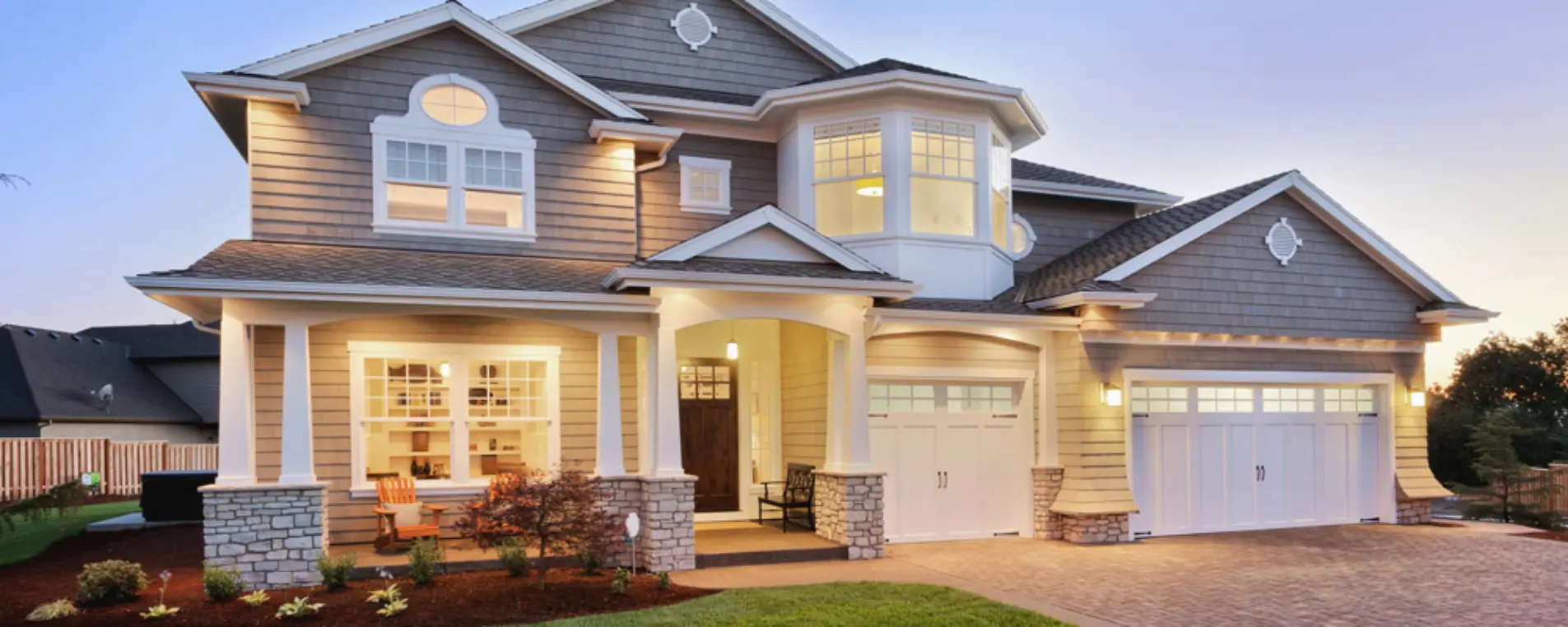
Soft washing has become an increasingly popular method for cleaning residential and commercial exteriors. Soft washing takes a different approach than traditional pressure washing. Instead of using powerful water jets to forcefully strip away dirt and grime, it relies on a gentle, low-pressure spray combined with specialized cleaning solutions. These solutions target and break down contaminants such as mold, mildew, algae, and built-up dirt.
Because the process is less abrasive, it delivers a deep clean while greatly reducing the risk of damage. That makes soft washing an excellent choice for delicate surfaces, including house siding, roofs, stucco, and painted areas.
How Soft Washing Differs from Pressure Washing
Soft washing involves the application of cleaning agents at low pressure (usually less than 500 PSI) through specialized equipment that gently cleans surfaces. The detergents used are formulated to break down organic growth and stains effectively, while the low pressure minimizes the chance of water intrusion or surface damage.
Unlike pressure washing, which uses high water pressure (often over 1300 PSI) to physically blast dirt off surfaces, soft washing relies mostly on chemical cleaning power to eradicate stains, mold, algae, and bacteria.
The low-pressure spray means that surfaces are treated more like they would be with hand washing; they are cleaned gently but thoroughly, rather than forcefully scrubbed. This makes soft washing uniquely suited for fragile exterior materials that could be damaged by the intense force of pressure washing.
How Soft Washing Works: The Cleaning Process
Soft washing combines water, specialized biodegradable cleaning solutions, and low water pressure to achieve a deep, long-lasting clean. The cleaning solutions often contain bleach or other agents that kill mold spores, algae, and bacteria rapidly and prevent regrowth for months.
First, the soft washing service will prepare the surface by removing loose debris and protecting nearby plants, outdoor electrical outlets, and delicate fixtures. Next, the soft wash solution is applied evenly across the surfaces with low-pressure spray equipment, targeting siding, roofs, fences, and other areas affected by biological growth and surface dirt.
The cleaning agents dwell on the surface for sufficient time to break down stubborn stains and kill contaminants before rinsing with clean water at low pressure. This dwell time amplifies the cleaning effectiveness without risking physical damage.
Since soft washing focuses on killing the source of stains and grime chemically, its results tend to last longer than pressure washing’s surface blast. Biological growth like algae and mold regrows more slowly after soft washing.
Advantages of Soft Washing a House
Soft washing offers several benefits over traditional pressure washing:
- Gentle on Surfaces: Soft washing uses water pressure low enough to avoid physical damage to wood, stucco, fiber cement siding, and painted surfaces. This reduces the risk of peeling paint, etching, or water intrusion that can occur with high pressure.
- Effective Mold and Mildew Removal: The specialized cleaning solutions penetrate the root structures of mold and algae, killing them thoroughly so they do not quickly come back.
- Long-lasting Cleanliness: Because it kills the organisms causing stains, soft washing cleans last deeper and longer than basic pressure washing, which only blasts dirt off the surface.
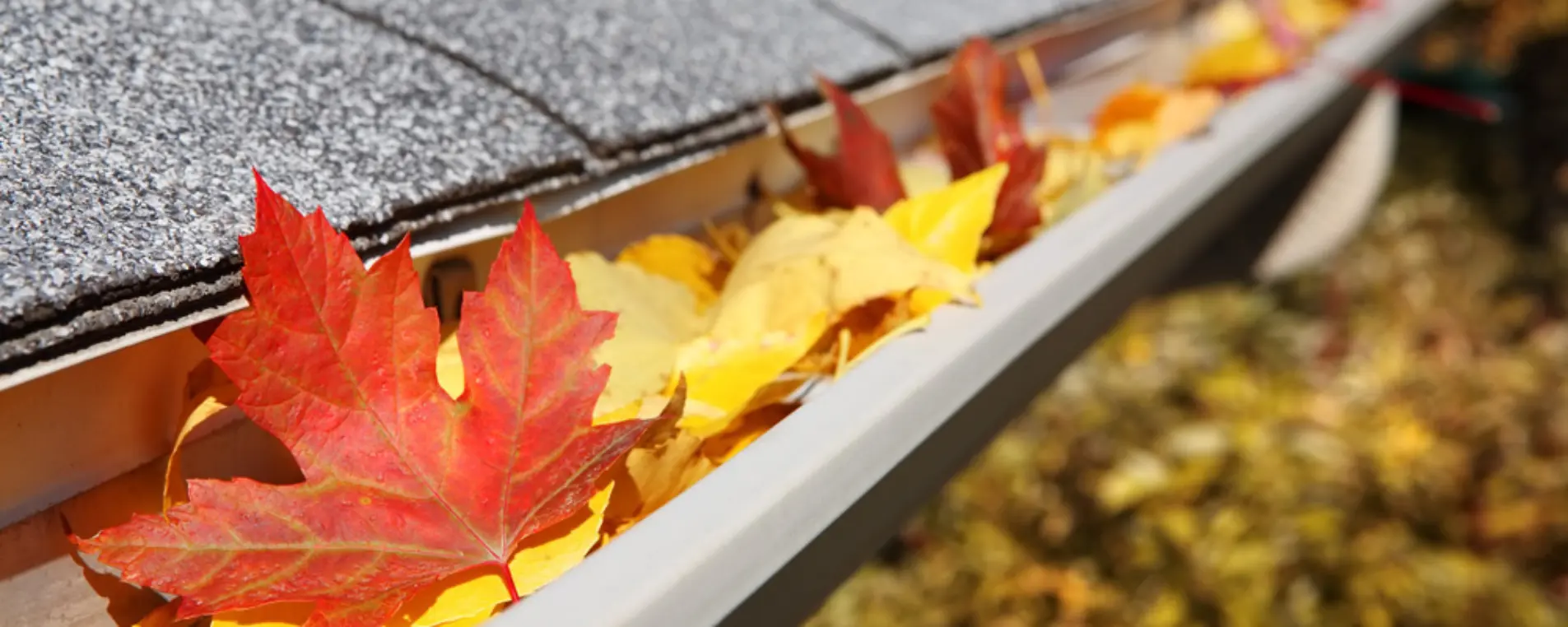
- Versatility: Soft washing works on virtually all exterior surfaces, including roofs, gutters, siding, fences, and outdoor furniture.
- Eco-friendly Options: Many modern soft wash detergents are biodegradable and safe for plants, minimizing environmental impact.
- Energy and Water Efficient: Using low pressure reduces water usage compared to power washers, conserves energy, and reduces noise pollution.
Common Misconceptions About Soft Washing
Some people confuse soft washing with simple low-pressure rinsing or assume it is less effective than pressure washing because of the weaker water force. In reality, soft washing offers a scientifically effective cleaning despite lower water pressure due to the powerful chemical agents used.
Others worry about chemical damage or toxicity. Professional soft washing employs specialized cleaning agents carefully formulated for safety and biodegradability, and trained technicians shield plants and electrical fixtures during application.
Soft washing is not a quick rinse; it requires patience and technical skill to apply chemical dwell times and rinse properly for optimal results without harm.
What Equipment is Used in Soft Washing?
Soft washing technicians use specialized machines built to deliver cleaning chemicals at specific low pressures. These systems include:
- A chemical tank holding the cleaning solution.
- A low-pressure pump specifically calibrated to spray below 500 PSI.
- A hose with adjustable nozzles to apply detergent and clean water.
- Pumps designed to mix water and chemicals in correct proportions.
The technicians have training in solution preparation, application techniques, and safety to maximize results while protecting the property and the environment.
Safety Considerations in Soft Washing
Soft washing involves chemicals that require careful handling. Licensed exterior cleaning professionals use protective gear and follow strict protocols to prevent contact with skin, eyes, and plant life.
Techniques include covering sensitive plants and irrigation systems, careful application direction away from electrical outlets, and natural runoff management. When performed by trained technicians, soft washing is safe and highly effective.
Cost Factors in Soft Washing a House
Soft washing cost varies depending on house size, surface types, regional pricing, and the complexity of cleaning. Costs typically range from $300 to $700 for an average residential exterior cleaning.
The price reflects chemical costs, labor intensity due to dwell times, and protective measures. Compared to pressure washing, soft washing might cost slightly more but offers better results on delicate surfaces and longer-lasting effects.
Environmental Benefits of Soft Washing
As awareness of environmental issues rises, many soft washing detergents are formulated to be biodegradable, phosphate-free, and non-toxic to surrounding flora and fauna.
Soft washing generally uses less water and energy than pressure or power washing. It promotes long-term surface health, reducing the frequency of intensive cleanings. Environmentally conscious homeowners appreciate the combination of effective cleaning with sustainability.
Eco-friendly Soft Washing Services in New Jersey: Remove Mold, Algae and Grime Safely
Looking for a gentle yet powerful way to clean your home’s exterior? All County Window Cleaning offers expert soft washing services in New Jersey designed to eliminate dirt, mold, algae, and grime without harming delicate surfaces. Backed by over 25 years of experience, our fully insured, certified W2 technicians use eco-friendly solutions combined with proven techniques to deliver long-lasting, sparkling results.
We handle homes and businesses of all sizes with care, protecting your property while enhancing its natural beauty. Trusted for superior customer service and professional expertise, we make soft washing seamless and effective. Contact us today and give your property the gentle clean it deserves.

