



How To Prevent Streaks When Cleaning Your Windows
Cleaning windows can often feel like a frustrating task, after all, nothing is more disappointing than working hard to clean your windows, only to end up with streaks and smudges.
Knowing how to prevent streaks when cleaning windows is key to achieving that crystal-clear shine that makes your home feel bright and fresh. This guide will walk you through some effective techniques and tips to help you avoid streaks and leave your windows sparkling clean.
Clean Your Windows on a Cloudy Day
One of the most common mistakes people make when cleaning their windows is doing it on a bright, sunny day. While it may seem like a good time to clean, the heat from the sun can cause the cleaning solution to dry too quickly and leave behind streaks.
To avoid this, clean your windows on a cloudy day. The cooler, overcast conditions give you more time to work without worrying about the solution evaporating too fast.
If you’re in a pinch and can’t wait for a cloudy day, consider choosing a time when the sun isn’t directly hitting your windows, early morning or late afternoon tends to be ideal for window cleaning.
Use the Right Cleaning Solution
The cleaning solution you use can have a significant impact on the end result. To prevent streaks, you need to use a solution that breaks down grease, grime, and dirt effectively but also leaves minimal residue. Many store-bought cleaners can leave behind streaks due to the chemicals and additives they contain.
For a streak-free finish, we recommend creating a simple and effective homemade cleaner. Mix equal parts distilled water and white vinegar in a spray bottle for an eco-friendly, streak-free solution. Vinegar works wonders on windows, cutting through grease and grime without leaving any harmful residue behind.
Alternatively, you can add a small amount of dish soap to your water if you’re dealing with very dirty windows. Just make sure not to use too much soap, as excess suds can cause streaks.
Choose the Right Tools for the Job
Your choice of tools plays a key role in preventing streaks when cleaning your windows. While paper towels or regular cloths might seem convenient, they often leave lint or streaks behind. For the best results, opt for a microfiber cloth, squeegee, or chamois, as these materials help absorb the cleaning solution without leaving residue.
A microfiber cloth is an excellent choice because it traps dirt and moisture, maintaining a streak-free finish. It’s also gentle on your windows, reducing the risk of scratches. If you’re using a squeegee, make sure to use one with a clean, soft rubber blade. After each swipe, wipe the blade with a clean cloth to remove excess water and prevent streaks.
Use a Squeegee for Best Results
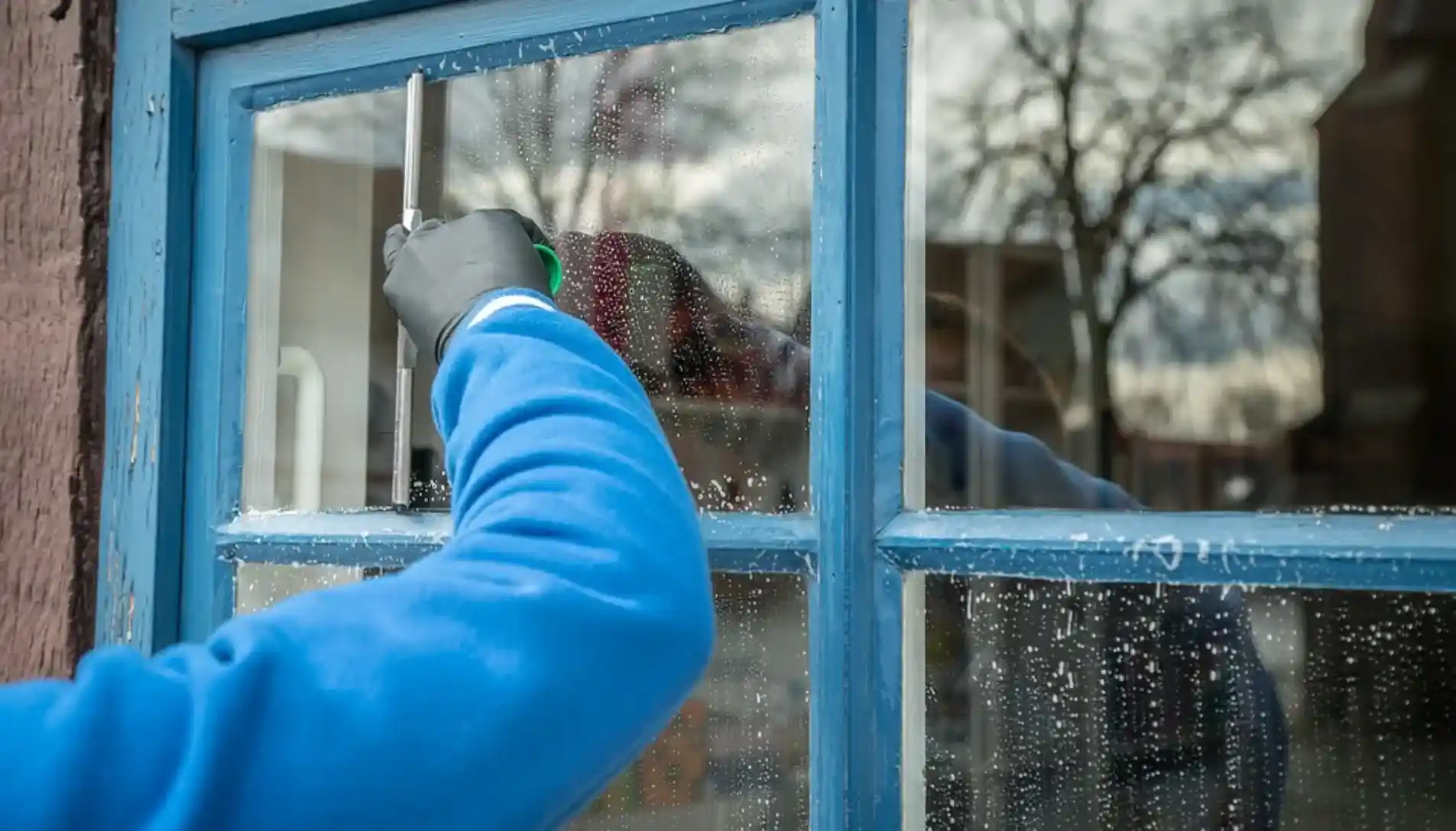
Squeegees are one of the most effective tools to avoid streaks. The key to using a squeegee properly is to apply it at the right angle and use the correct technique. Hold the squeegee at a 45-degree angle to the glass.
Start at the top of the window, pulling the squeegee in a reverse “S” pattern. This technique allows the cleaning solution to be wiped off evenly without leaving streaks behind.
After each swipe, wipe the rubber blade with a cloth to prevent the accumulation of dirt and water that could cause streaks. Use the same technique to clean each section, working your way down the window. This method will give your windows a polished, streak-free appearance every time.
Don’t Over-Wet Your Windows
Another common mistake when cleaning windows is applying too much cleaning solution. While it’s tempting to soak the glass in cleaning solution to help loosen dirt, using excess product can leave streaks behind. Instead, apply a light, even coat of cleaning solution using a spray bottle or a dampened microfiber cloth.
A light, even coating ensures that the solution is evenly distributed without oversaturating the glass. This reduces the chance of streaks forming once you wipe the windows down. Additionally, by controlling the amount of solution, you’ll also reduce the amount of moisture around the window edges.
Buff the Glass After Cleaning
Once you’ve finished cleaning your windows, you might notice a few stubborn streaks remaining. To buff them out, use a dry microfiber cloth or chamois and rub in small circular motions over the streaks. The gentle motion of buffing helps to eliminate any residue left behind and gives your windows a final polish.
Buffing is a simple, effective technique to restore that crystal-clear shine and eliminate any lingering streaks. Be sure to use a clean, dry cloth as wet cloths can leave new streaks on the glass.
Clean One Pane at a Time
Cleaning your windows in sections rather than trying to clean the entire window at once is another way to prevent streaks.
Working on one pane at a time ensures that you can keep the cleaning solution wet long enough to wipe it away without it drying prematurely. This is especially important if you’re using a squeegee, as it allows you to cover smaller sections, keeping the solution from drying and causing streaks.
Breaking the task down into smaller sections can help you to more effectively control the amount of cleaner you’re using and guarantee an even, streak-free finish.
Avoid Using Paper Towels
While paper towels may seem like a convenient option for drying your windows, they can often leave behind lint or streaks.
For a true streak-free finish, it’s best to use a microfiber cloth or a chamois. These materials are specially designed to be non-abrasive. They will leave your windows clean and streak-free without the mess of lint or fibers.
Microfiber cloths are also reusable, which makes them a more eco-friendly and cost-effective option for cleaning your windows. Simply wash them after each use, and they’ll be ready for your next window cleaning session.
Remove Stubborn Stains with Steel Wool
Despite your best efforts, some stubborn spots or mineral deposits may persist on your windows. For these tough stains, you can use super fine steel wool. This gentle grade of steel wool is effective at scrubbing away mineral deposits, water spots, and other tough stains without scratching the glass.
Use the steel wool gently, applying it in a circular motion over the stained areas. Afterward, be sure to buff the area with a dry microfiber cloth to restore the clarity and shine of the window.
Clean Your Window Frames and Sills
When cleaning windows, don’t forget about the frames and sills. Dust and debris can build up here, leading to dirt marks or stains on your clean windows. Clean these areas with a damp microfiber cloth before you start washing the glass itself. This will make sure that no dirt or dust falls onto your clean windows once they’re dry.
Additionally, cleaning the window sills and frames helps prevent mold or mildew growth and keeps your windows in better condition over time.
How to Tackle Stubborn Stains and Spots on Windows
Stubborn stains and spots on windows can be frustrating, especially after spending time cleaning them. These persistent marks are often caused by mineral deposits, bird droppings, tree sap, hard water stains, or even dirt buildup that regular cleaning can’t remove.
Here’s how to effectively tackle these tough stains and restore your windows to a sparkling, streak-free shine.
- Hard Water Stains and Mineral Deposits
Hard water stains are a common problem for homeowners with outdoor windows. These marks form when water evaporates, leaving behind mineral deposits on the glass. To remove them, mix equal parts distilled vinegar and water in a spray bottle.
The acidity of the vinegar helps break down the minerals without damaging the glass. Apply the solution to the stained area, let it sit for a few minutes, and then gently scrub with a non-abrasive sponge or microfiber cloth. For more stubborn stains, combine vinegar with baking soda to create a more powerful cleaning paste.
- Bird Droppings
Bird droppings can create tough, sticky spots on windows that are difficult to clean. The acidic nature of the droppings can etch the glass if left for too long. To remove bird droppings, start by moistening the area with a damp cloth or paper towel to loosen the mess.
Once softened, use a gentle cleaner (such as the vinegar solution mentioned above) or a store-bought window cleaner to scrub away the residue. Always clean bird droppings promptly to prevent permanent damage to your windows.
- Tree Sap and Sticky Residue
Tree sap is another tough stain that can leave a sticky mess on your windows. To remove sap, use rubbing alcohol or a solvent like acetone. Dampen a clean cloth with the alcohol and gently rub the sap until it loosens. Once the sap is removed, clean the area with your regular window cleaning solution to eliminate any residue left by the solvent.
- Smudges and Fingerprints
For fingerprints or smudges, a simple vinegar solution or glass cleaner should suffice. Spray the cleaner directly onto the glass and wipe with a microfiber cloth, using circular motions to avoid streaks. If fingerprints are persistent, consider using a little more pressure or adding a drop of dish soap to your solution to help break down oils and grease.
Why Hire Professionals for Window Cleaning?
Achieving a flawless, streak-free finish isn’t always easy, especially if you’re unsure how to prevent streaks when cleaning windows. At All County Window Cleaning, we bring years of experience and professional-grade tools to every job, helping homeowners get crystal-clear results without the hassle.
Our trained team knows exactly how to avoid common mistakes that lead to streaks, smudges, or residue. We use high-quality equipment and cleaning solutions designed to lift dirt and grime without leaving marks behind. Every technician is fully insured and committed to delivering reliable, courteous service from start to finish.
We also offer a rain guarantee, which includes free touch-ups if rain leaves marks on your freshly cleaned windows. Contact us today for a free estimate and experience the difference professional residential window cleaning can make for your home.