



The Right Way To Pressure Wash A House
Maintaining the exterior cleanliness of a home is one of the most effective ways to uphold its curb appeal and structural integrity. Pressure washing a house is a powerful method for removing dirt, grime, mold, mold, mildew, and other contaminants from siding, decks, driveways, and patios.
When performed correctly, pressure washing can transform a home’s exterior, bringing back vibrant colors and a fresh look. However, improper methods can cause damage to surfaces like wood, vinyl, or paint, and improper use of equipment can compromise safety.
This guide will help you understand the best pressure washing practices to protect and enhance your home exterior while achieving stunning cleaning results.
What Is Pressure Washing and How Does It Work?
Pressure washing involves a powerful water stream that blasts away surface dirt and other substances. It’s more efficient and effective than manual scrubbing or low-pressure washing because the force of the water loosens and flushes contaminants deeply embedded in surfaces.
The effectiveness depends on several factors, including pressure measured in pounds per square inch (PSI), water flow rate in gallons per minute (GPM), water temperature (cold or hot), and the types of surface being cleaned.
Pressure washers are available as electric or gas-powered models. Gas-powered versions typically offer higher PSI and are better for larger or tougher jobs. Using the right PSI settings ensures a surface is cleaned effectively without damage.
Different materials like vinyl siding, wood, brick, stone, and concrete respond differently to pressure washing. Softer surfaces require gentler settings; harder surfaces can tolerate higher pressures.
Why Pressure Washing Matters for Homeowners
Accumulated dirt, pollution, mold, mildew, and algae degrade a home’s exterior appearance and can accelerate material deterioration. Dirty surfaces become more susceptible to moisture damage, which can lead to rot or structural weakening.
Regular pressure washing helps prevent buildup that can permanently stain or damage siding, roofs, decks, and other surfaces. Clean surfaces also reduce allergens and improve overall air quality around the home. Additionally, a freshly pressure-washed house looks well-cared-for and retains or increases its market value.
Pressure washing also prepares surfaces for important treatments such as painting, sealing, or staining, by providing a clean base for good adhesion.
Preparing to Pressure Wash Your House
Preparation is key for an effective and safe pressure washing session. The first step is clearing the area of furniture, grills, plants, and decorations to prevent damage and allow easy access to all surfaces. Outdoor electrical outlets, lighting fixtures, and delicate plants should be covered or protected with plastic sheeting or drop cloths to guard against water intrusion or chemical exposure.
Windows and doors should be closed tightly and sealed if possible to avoid water leaks. It’s wise to inspect the exterior surfaces for loose paint, damaged siding, or cracks; these should be repaired before washing to prevent worsening issues.
Choosing a suitable day with moderate temperatures and low wind means the detergent won’t dry too fast or cause streaks, and spraying debris won’t travel beyond your target zone.
The cleaning detergent is selected based on the stains present and surface types. Eco-friendly and biodegradable cleaners lessen environmental impact. Always equip yourself with safety gear, including eyewear, gloves, long pants, and closed-toe shoes. For the safest, most effective results, trust experienced pressure washing and soft washing services to handle your exterior cleaning needs.
Choosing Pressure Washing Equipment and Settings Properly
Selecting the appropriate pressure washer depends on the scale of the project and surface types. Homeowners often buy or rent washers rated between 1300 and 3000 PSI, suitable for most residential tasks. Gas-powered washers offer more power and mobility than electric models but require more maintenance.
Nozzle tips control the spray angle and pressure distribution. Wide-angle nozzles (25-40 degrees) distribute water gently over broad areas, ideal for delicate siding or painted surfaces. Narrow-angle nozzles (0-15 degrees) focus force on smaller areas for stubborn stains or concrete, but risk damage if used improperly.
Extension wands enable reaching second stories without climbing. Surface cleaners attach to washers for even cleaning on patios and decks.
Commercial pressure washing services usually have adjustable, professional-grade equipment, including hot water capabilities that improve cleaning efficiency on grease and thick grime.
Pressure Washing Process: Step by Step
Preparation completed, start pressure washing by connecting the washer securely to a water source and testing it on a small inconspicuous area to check pressure settings and ensure damage won’t occur.
If using detergent, apply it first with a low-pressure spray, moving from the bottom of surfaces upward to avoid streaking. Allow the detergent to work for the recommended contact time without drying.
Begin washing from the top of the house and work downward in smooth side-to-side sweeping motions. Maintain a distance of 6-12 inches between the nozzle and surface. Avoid angling water directly into windows or fragile architectural details.
Adjust pressure and nozzle type as required when addressing tougher stains. Never linger on one spot to prevent striping or gouging.
Rinse all surfaces thoroughly from the top down to remove detergent residues and loosened debris. After washing, inspect your work for missed areas or damage. Clean up the site, remove protective coverings, and drain the pressure washer to preserve its longevity.
Areas of the House That Benefit Most from Pressure Washing
Pressure washing is effective across many exterior home surfaces, including vinyl, wood, brick, stucco, concrete driveways, decks, patios, and fences. Here’s a breakdown of key areas:
The siding is a prime candidate for pressure washing due to exposure to dirt and biological growth. Vinyl siding can typically handle moderate pressure with wide spray nozzles. Wood siding needs gentler settings to avoid fiber damage. Brick and stone tolerate higher pressure.
Decks, especially wood decks, benefit from lower PSI and washing along the grain to avoid splintering. Concrete and driveways demand higher power to remove oil stains, mildew, and tire marks.
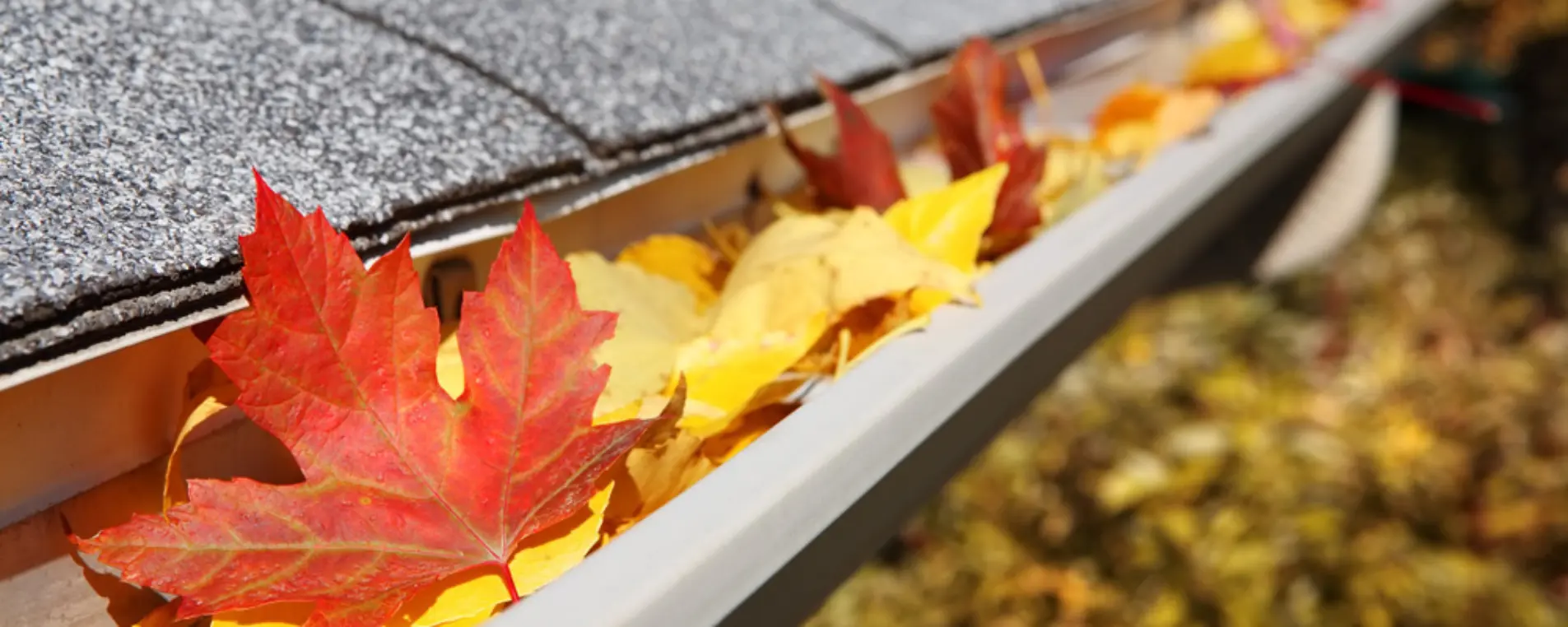
Gutters benefit indirectly because cleaner gutters reduce overflow-related stains on siding. Outdoor furniture and even children’s toys can also be safely washed.
Safety Precautions to Follow When Pressure Washing
Pressure washing can be dangerous if mishandled. High PSI water streams can cause injuries such as lacerations or eye damage. The equipment poses risks of electrical shock and tripping.
- Wear protective gear including goggles, gloves, and sturdy footwear. Tie back long hair and avoid loose clothing that might get caught.
- Ensure the work area is clear of bystanders and pets. Use caution with ladders or extension wands to avoid falls.
- Never spray electrical outlets or components, and avoid windows and fragile surfaces directly.
- Test surfaces with lower pressure before full cleaning. If uncomfortable or unsure, consider professional exterior cleaning services.
- Inspect your equipment for leaks or wear before use and follow all manufacturer safety guidelines.
Pressure Washing Cost Explained
Pricing for pressure washing depends on multiple factors. House size impacts time and water usage. Two or three-story homes cost more due to equipment needs and safety protocols.
Surface types affect costs. Delicate surfaces require slower work and lower pressures. Additional surfaces for cleaning such as decks, patios, or roofs increase prices.
The degree of dirtiness and stains also influences labor. Heavy mold or oil stains require stronger detergents and longer treatment periods.
Geographic location affects pricing based on local labor rates. Typical costs range from $300 to $600 for a single-story house and $600 or more for larger or multiple surface cleanings.
Benefits of Hiring a Professional Pressure Washing Company
Professionals bring specialized tools, commercial-grade equipment, and experience. This combination offers superior cleaning while minimizing the risk of property damage.
They understand surface-specific pressure settings and safe cleaning methods. Safety-trained technicians avoid hazards to themselves and property. Their advanced hot water systems and eco-friendly detergents can tackle tough stains that cannot be easily removed by DIY methods.
Professional jobs finish quicker and include post-cleaning inspections and touch-ups. Many come with guarantees or insurance coverage that adds protection.
Hiring professionals is highly worthwhile for large properties, multi-story homes, or where DIY risks are high.
Common Mistakes That Damage Surfaces or Waste Effort
Many who pressure wash make costly errors.
- Using too high pressure or narrow nozzles too close strips paint, dents siding, and scars wood.
- Spraying directly upward on siding panels can drive water behind and cause rot or mold.
- Ignoring plants and delicate items leads to damage.
- Applying detergent unevenly results in streaks or stains.
- Not rinsing surfaces thoroughly leaves soap residue that deteriorates siding.
- Not following safety precautions puts users and bystanders at risk.
- Fixing damage caused by improper pressure washing far outweighs the effort saved by rushing the job.
Soft Washing Versus Pressure Washing
A soft washing service uses a low-pressure spray combined with specialized cleaning solutions to safely remove mold, algae, and bacteria from delicate surfaces. It’s often preferred for roofs, painted surfaces, and siding prone to damage from high pressure.
Pressure washing applies stronger water pressure to blast away dirt and is better suited for hard surfaces like concrete and brick. Assessing the pros and cons of each method can guide your choice for effective and safe cleaning.
How Often Should You Pressure Wash Your Home?
The frequency of pressure washing depends on the local climate, surface type, and exposure to dirt and mold. Generally, once a year is sufficient for most homes to keep the exterior clean and prevent algae or mildew buildup. Homes in humid or rainy climates may require washing twice yearly to combat mold growth.
High-traffic areas like driveways and patios might need more frequent cleaning. Exterior materials such as wood or vinyl might need gentler and less frequent washing to avoid damage. Regular inspections can help determine when pressure washing is necessary, maintaining curb appeal and preventing long-term surface deterioration.
Seasonal Pressure Washing Tips and Scheduling
Timing is key for effective pressure washing. Spring is ideal for removing winter grime and pollen buildup, revitalizing your home’s exterior for warmer months. Summer offers warm, dry conditions perfect for frequent cleaning of patios, driveways, and siding, helping prevent sun damage and dirt accumulation.
Fall is optimal for clearing leaves, mud, and mildew before winter, protecting surfaces from freeze-thaw damage. Winter pressure washing requires more cautious methods such as low-pressure and warm water use to avoid surface harm.
Generally, pressure washing once or twice a year suits most homes, but frequency depends on local climate and environment. Planning seasonally allows for thorough cleaning and long-term exterior protection.
Using Pressure Washing to Prepare for Pest Control Treatments
Pressure washing can be an excellent preparatory step before applying pest control treatments to a home’s exterior. Removing dirt, cobwebs, and organic debris creates a clean surface that allows pesticides or natural repellents to adhere better and work more effectively.
Cleaning cracks, crevices, and hidden corners also exposes potential pest entry points, helping identify areas needing focused treatment. Integrating pressure washing into a pest management routine can enhance overall effectiveness, reduce pest populations, and contribute to a healthier, pest-free home environment.
What to Look for in a Pressure Washing Company
The quality of your results often depends on the service provider. When hiring a pressure washing company, verify their experience and reputation through references or reviews. Confirm they use commercial-grade equipment and safe cleaning agents.
Ask about insurance and warranties for added protection. Transparent pricing, clear communication, and responsiveness are signs of professionalism. Choosing the right company means your home will be cleaned effectively and safely with minimal hassle.
Top-rated Exterior Cleaning Services for New Jersey Homes and Businesses
With over 25 years of experience, All County Window Cleaning is a trusted name in Vernon, NJ, and the surrounding areas for top-quality exterior cleaning services. Our team of fully insured, background-checked W2 technicians specializes in pressure washing, soft washing, window cleaning, roof cleaning, and gutter cleaning for homes and businesses of any size.
We use advanced equipment and proven techniques to safely and effectively restore the beauty of your property. Whether preparing your home for sale, post-construction cleanup, or seasonal maintenance, All County Window Cleaning delivers reliable, professional results every time.
Our full-time office staff is always ready to answer your questions and schedule your service promptly. Choose All County Window Cleaning for pressure washing that protects your investment and enhances curb appeal. Contact us today to get started.


